This week the method to produce a physical prototype will be chosen.
The CAD could be used to manually create a a physical object; a craftsman could carve it out of a plastic block following the design and adhering the the dimensions included within it. This would be an example of subtractive manufacturing and given sufficient time, skill, and equipment a precise artefact that would fulfil the engineering drawing could be created. However, it would demand the labour of a skilled technician, be relatively slow, and vulnerable to error. As regards a low cost phone case, this would be a poor choice.
An alternate option could be to use a CNC mill to create the case from a block of plastic. Again, this would be an example of subtractive manufacturing and it could produce an accurate and usable object. However, whilst it would require less intervention than a hand carved phone case there would still be labour involved in setting up tool paths, changing tool heads, and setting up the workpiece. Overall it would be a lengthy and costly process for a low value item.
Since Phones-R-Us have requested fifty thousand parts, it would be viable to produce the case using injection moulding; however, this would require a longer lead-time than is available. Therefore additive manufacturing is a suitable option. The parts can be produced as and when they are required, avoiding the holding of excess stock and large upfront costs, and the design and manufacturing process can be adjusted to fit requirements in house at PrintCity.
To produce fifty thousand units at PrintCity there remains the decision of which printing technology to use. At the facility there is a variety of equipment available, but in most cases there are only one or two instances of each machine. This may not be an issue however if the equipment is capable of producing many instances of an object in a batch. Initially the FormLabs Fuse 1 SLS printer looks like it might fit this criteria, as within its build volume it could produce fifty units at a time. However, each batch will take nearly fifty-five hours to print and the parts will require post processing afterwards to excavate them from the surrounding powder. Assuming that there are no issues and the printer can be run constantly this would equate to over six years to produce the required units.

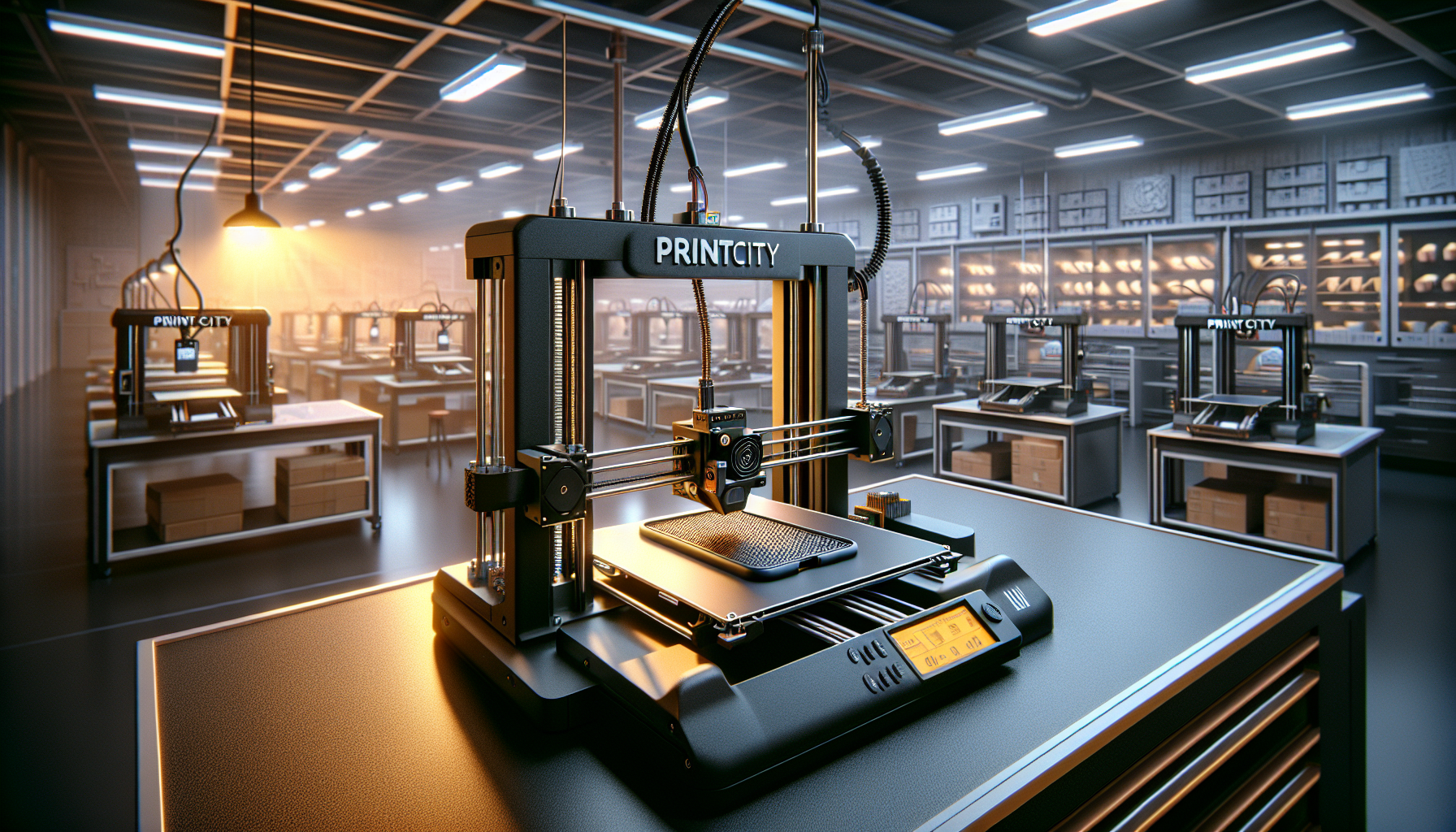
One type of printer that PrintCity does have many of is Fused Filament Fabrication (FFF) printers. There are a variety of brands and models present in the building, including:
- Ultimaker 3, 3 Extended, and S5
- Prusa Mk3S, and MK4
- Bambu Lab P1P, and X1-Carbon

To simplify the production process it makes sense to print all of the phone parts on the same model of printer if possible. As the Prusa MK3S is the most numerous unit at PrintCity it will be the primary machine used to produce the part. It is also a reliable, well established, and easily reparable machine, which means that problems are both less likely to occur and can more easily be fixed if they do occur.
Next week the CAD model will be used to create the first physical prototype.
 TL Weston