
Overview
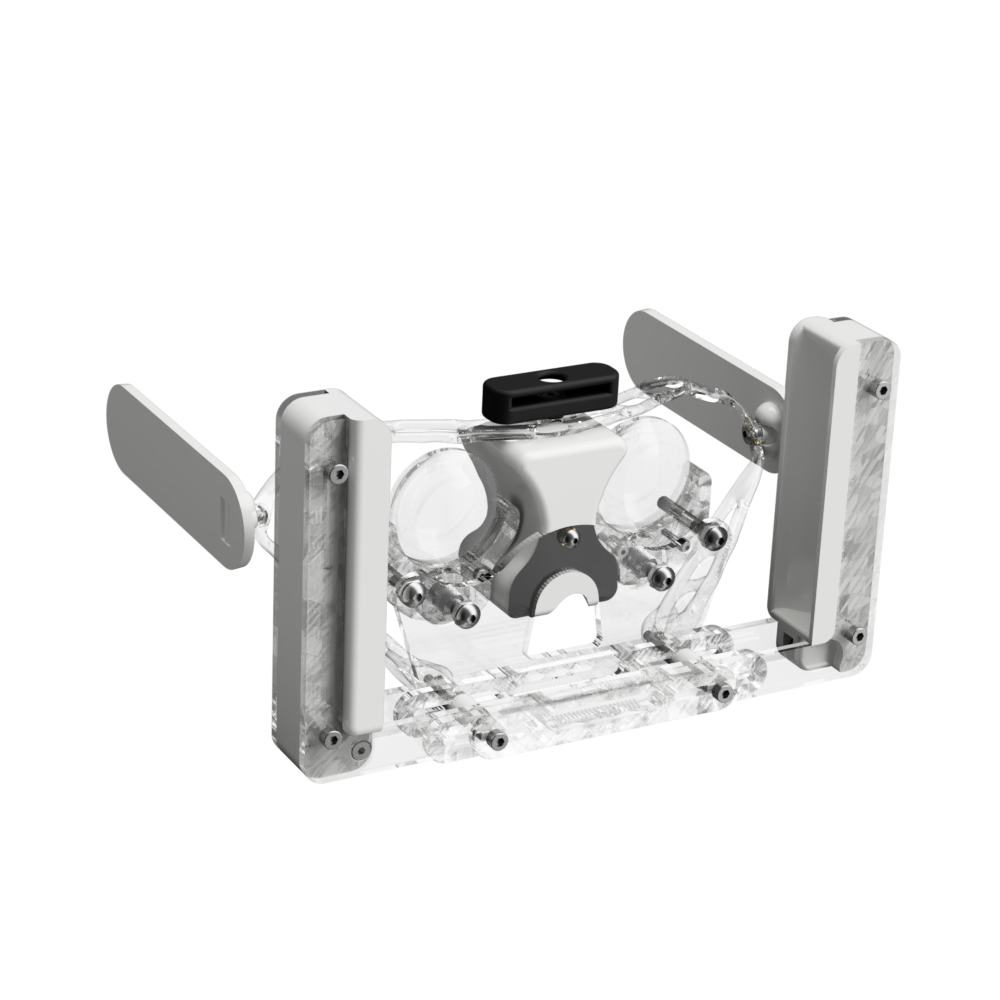
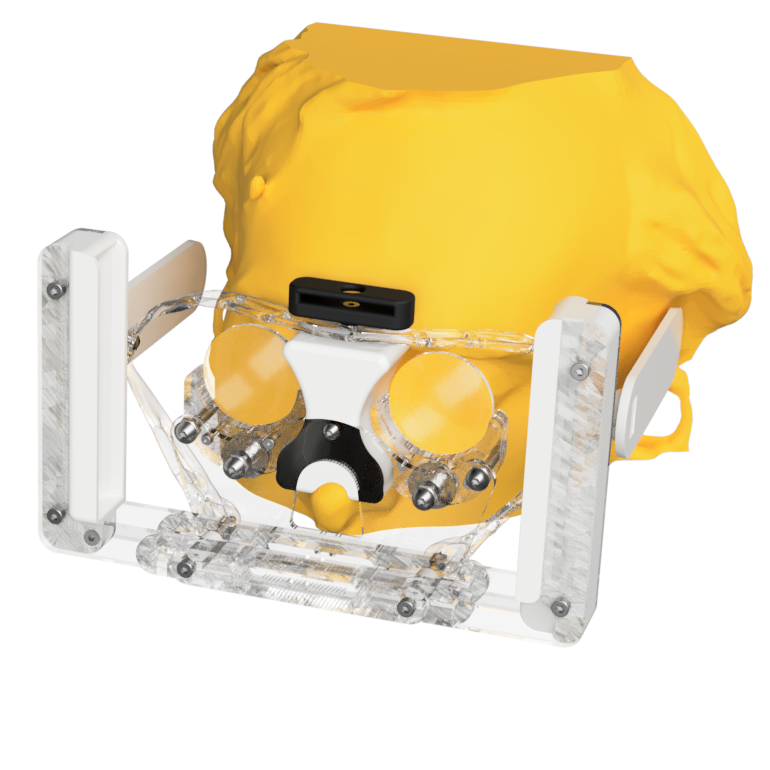
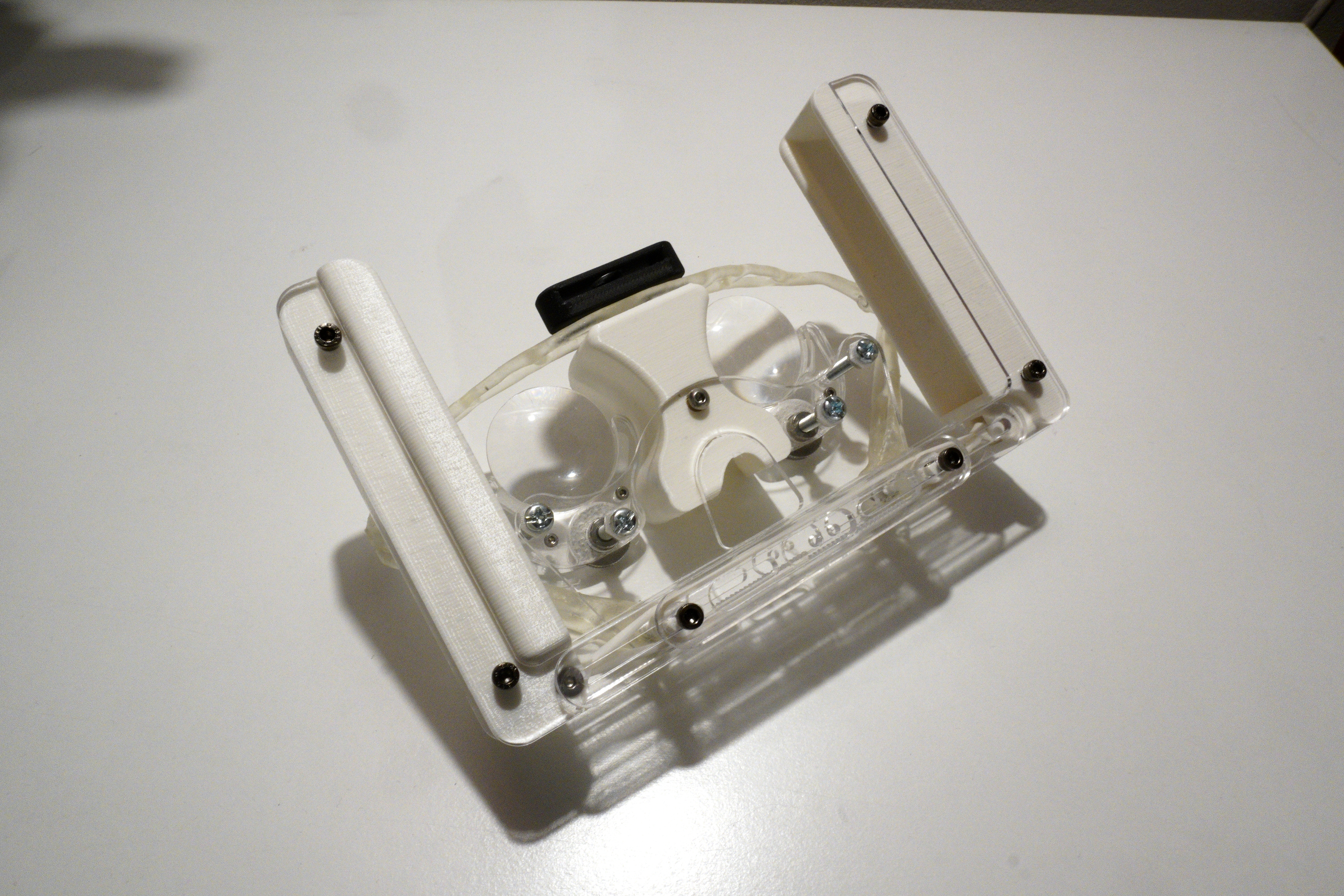
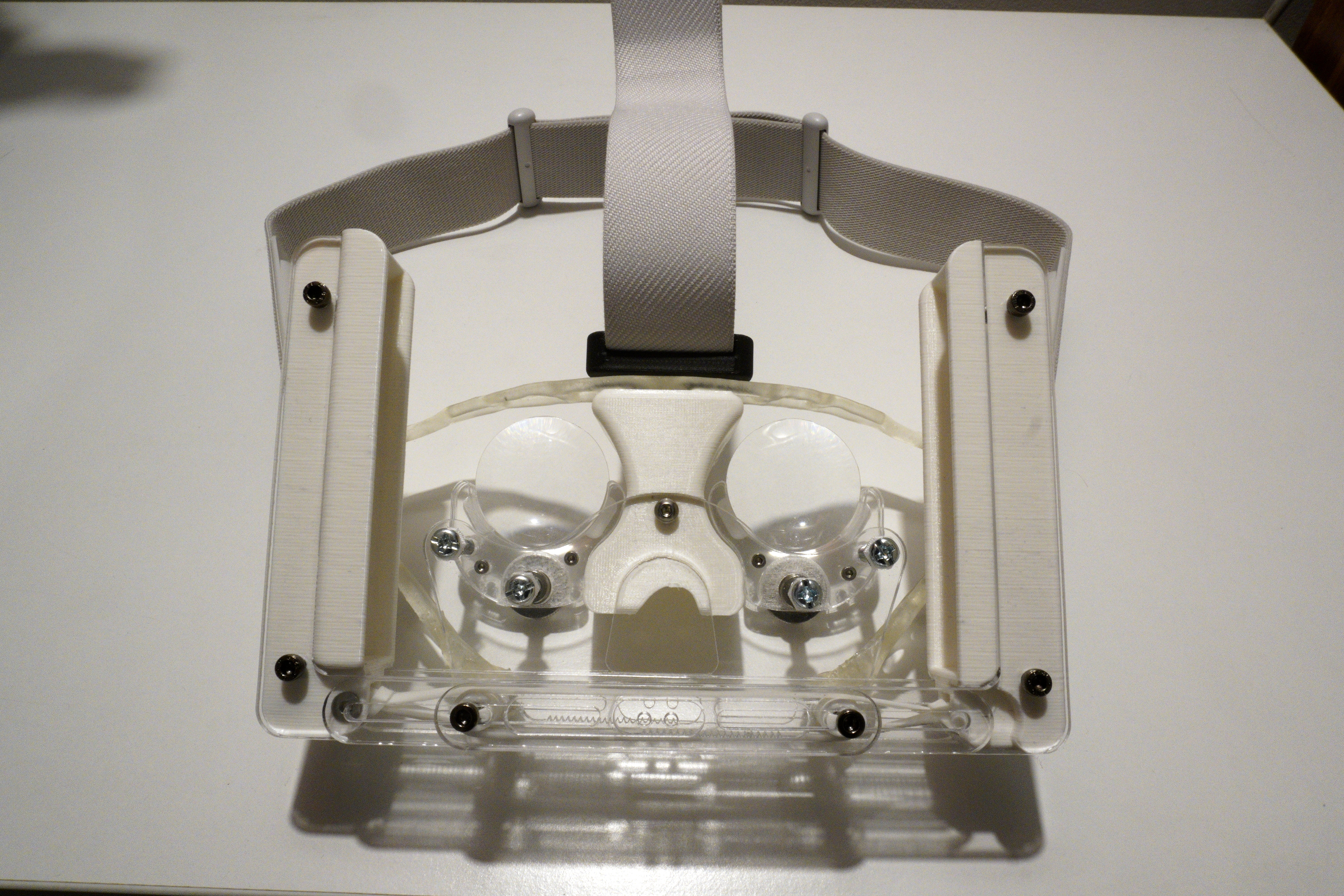
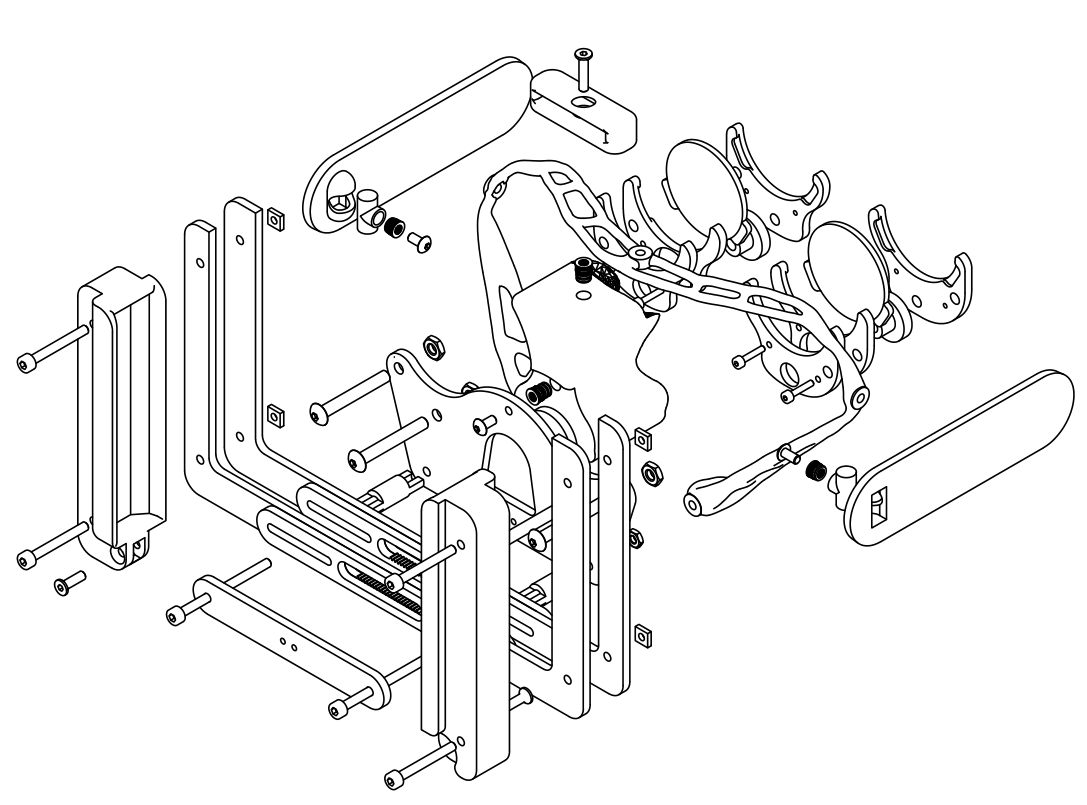
This project showcases the design and development of a bespoke, multi-material VR headset powered by a smartphone. It aims to deliver an immersive virtual reality experience using generative design principles and various manufacturing techniques while emphasizing recyclability and modularity.
Design Objectives
- Compatibility: Accommodate a smartphone as the processing and display unit, leveraging its capabilities to reduce costs.
- Adjustability: Include adjustable focal length and phone grips to support different user preferences and devices.
- Recyclability: Ensure the headset is easy to disassemble, promoting sustainability.
- Minimalist Design: Utilize minimal materials and an open structure while maintaining functionality.
Manufacturing Techniques
- Fused Filament Fabrication (FFF) 3D Printing
- Prototyped critical parts for rapid iteration.
- Materials were chosen to provide flexibility and durability for key components like phone grips.
- Continuous Fibre Reinforcement (CFR) 3D Printing
- Used to enhance the strength and stiffness of specific structural parts, such as the head strap frame.
- Stereolithography (SLA) 3D Printing
- Employed for the generatively designed head strap frame, resulting in a lightweight and highly detailed component.
- Laser Cutting
- Clear acrylic sheets were precision cut to create modular layers for lens holders and phone sliders.
- 3D Scanning
- A structured light scanner captured head geometry to create a customizable nose interface and ergonomic design.
Key Features
- Generative Design: The head strap frame was optimized using generative design to minimize material usage while maintaining strength and functionality.
- Modularity: Components such as the nose interface and head strap clips were designed to be swappable and adaptable to different users.
- Ease of Assembly: The headset was broken down into distinct modules, making it easier to manufacture, assemble, and disassemble.
- Enhanced Fit: Adjustable sliders, grips, and ergonomic elements were incorporated to ensure user comfort.
Prototyping and Iteration
- Physical Testing: Iterative prototyping ensured components fit accurately and performed as intended.
- Material Refinement: Various materials were tested for optimal strength, durability, and user comfort.
- Final Adjustments: Modifications, including redesigned lens holders and hinged strap clips, were made based on user testing feedback.
Outcome
The final design successfully integrates innovative generative design with sustainable manufacturing practices, delivering a functional and customizable VR headset. By combining modern manufacturing methods with a smartphone-powered system, this headset offers a cost-effective and versatile solution for virtual reality experiences.
As a testament to its success, the design was chosen by Print City to showcase in their booth at the TCT event at the NEC, highlighting its innovative approach and engineering excellence.
Presentation & Flyer
Included below are a presentation detailing the design process and a flyer promoting the headset.
 TL Weston